KILIMANJARO: Bringing the Sounds of the Motherland to the UK Rave
Who is KILIMANJARO? The Zambian-heritage, Glasgow-raised London afro house DJ behind a Fred again..-invited Boiler Room set and the Sounds of the Motherland.
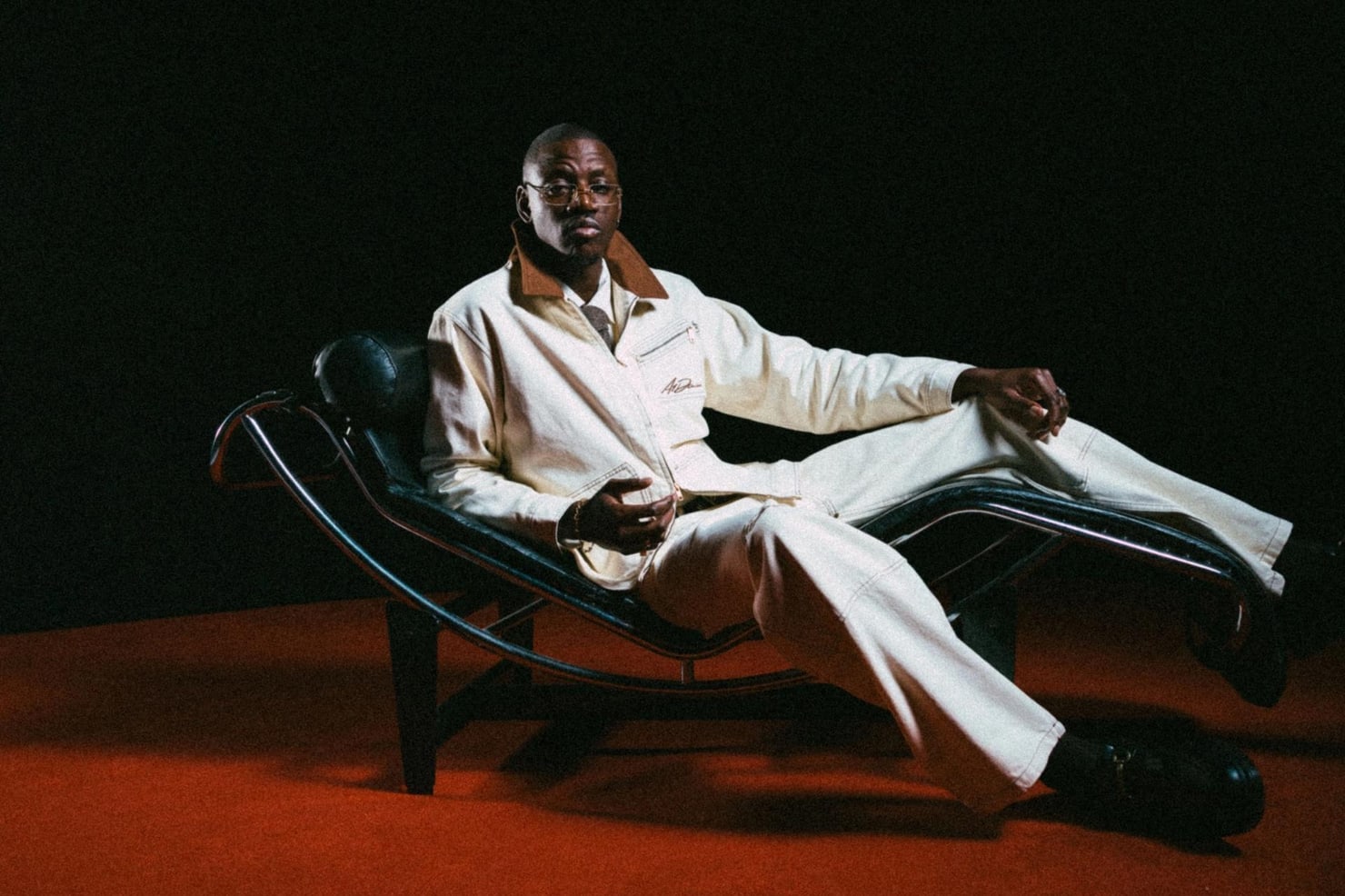
Afro house is having the biggest moment of its life, and KILIMANJARO is the artist plugging it straight into British club culture. While the genre's global boom is often told as a South African or Ibiza story, KILIMANJARO tells a different one: a DJ of Zambian heritage, raised on the Scottish club circuit and now based in London, fusing what he calls the "Sounds of the Motherland" with the energy of a Glasgow basement rave. A 2022 Boiler Room set, played at the personal invitation of Fred again.., introduced that vision to the world and has now passed 1.5 million views on YouTube, and a major-label deal is now carrying it further. This is a working DJ and producer's guide to who KILIMANJARO is, why his take on afro house stands apart, and why his community work matters as much as his music. The facts below were checked against current sources in August 2026 and again in September 2026.
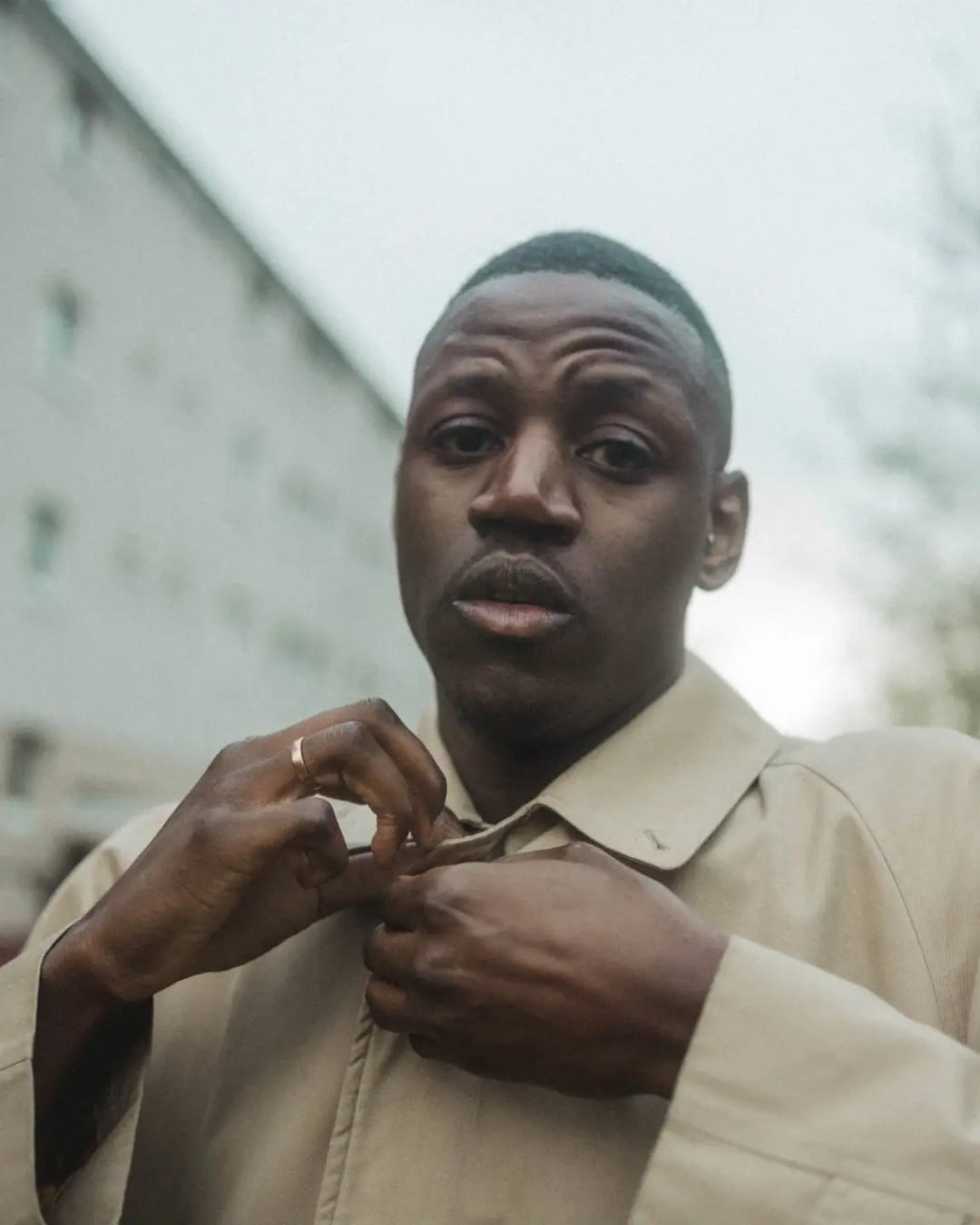
KILIMANJARO at a glance
- Who: a DJ, producer and vocalist of Zambian heritage, raised in Scotland and now based in London.
- Real name: Josh Kamunu Liandu, as reported by Billboard Africa in its May 2026 feature on his first African tour.
- The sound: afro house, amapiano and tribal house fused with a background in rock and dance music.
- The signature: what he calls the "Sounds of the Motherland", African rhythms and melodies paired with UK club energy.
- The breakout: a 2022 Boiler Room London set played at Fred again..'s invitation, with over 1.5 million views on YouTube.
- The platform: KILIMANJARO MUSIC, launched in 2021 to champion Black, POC, female and marginalised artists.
- The deal: a long-term signing to Capitol, part of Universal, with releases running into 2026.
- Key releases: "No Bad Vibes" with Jazzy, "Better Days" with AMAKA, the YORUBA RIDDIM EP with Melé and the EP Makalelo (Origins).
Who is KILIMANJARO?
KILIMANJARO's story is genuinely transnational, and that is the heart of his sound. He is of Zambian heritage, and that African percussive energy is the bedrock of everything he makes, but he was raised in Scotland, where his musical life began not behind decks but behind a drum kit. He started drumming at twelve and played in bands across the country, a live-musician grounding that still shapes the physical, rhythm-first feel of his productions. He honed his DJing on the Scottish circuit, in cities like Glasgow and Edinburgh, before relocating to London to immerse himself in one of the world's great dance-music hubs.
That route, African roots, a Scottish musical upbringing, a London base, is unusual, and it is exactly why his afro house does not sound like anyone else's. He is not importing a finished genre. He is fusing his own heritage with the specific club cultures that raised him, which is a far more personal and durable thing.
What is KILIMANJARO's real name?
He keeps his personal life low-key, but the record is now public: when Billboard Africa profiled his first African tour in May 2026, it introduced him as KILIMANJARO, born Josh Kamunu Liandu. The all-caps stage name does what the music does, planting an African landmark in the middle of a UK club poster, and the fact that he leads with it rather than with his own name tells you where he wants the attention: on the project, the platform and the sound.
The same feature captured why the name carries weight for him. Describing his April 2026 homecoming shows he spoke of "nervous excitement and raw emotion", and put the mission in one line: "Being able to bring that sound back to Zambia just gives it more power." For an artist whose whole catalogue is built on the idea of carrying the Motherland into the rave, the identity is less a mask than a flag.
From drum kit to CDJs: the accidental DJ
The origin story, told in full in Mixmag's The Mix interview in May 2025, is one of the best in current dance music because almost none of it was planned. At twelve he picked up the drums and formed a band, Our Future Glory, with his brother and a friend; by sixteen they were writing, gigging and releasing, hauling their own gear around Scotland for half-hour sets, with occasional shows in London and even Florida. The band signed to the London label Wall of Sound and, in 2016, played a show in Ibiza where the promoters asked if anyone could DJ the afterparty. Nobody could. He volunteered anyway, spent a few months learning on ageing CDJ-800s, played the gig, and came home to find Scottish bookings snowballing from one a month to several a week.
Production came the same way, sideways: an internship at an Edinburgh studio taught him how records were built, and he poured a decade of band songwriting into club structures. Then Covid wiped the diary, and he spent a year as a DPD delivery driver, a spell he has described as brutal but formative. When he moved to London in the summer of 2021 he rebuilt the hard way, shuttling between London networking and Scottish club dates, around thirty shows in three months, on the logic that he would, in his words, DJ the opening of a crisp packet just to be active again. That is the context the Boiler Room moment usually leaves out: by the time the world noticed him, he had already done the apprenticeship twice, once with a drum kit and once with decks.
The sound: Sounds of the Motherland meets the UK rave
KILIMANJARO's music blends afro house, amapiano and tribal house with the influences of his rock and dance background, and he has a neat phrase for the core of it: the "Sounds of the Motherland", the rhythms and melodies native to Africa, paired with the sonic styles of the clubs he came up in. The result is afro house with a rave's edge, percussive and uplifting but also dark and high-energy, built for a sweaty basement as much as a festival sunset.
That balance is the point. A lot of afro house leans towards the smooth and the spiritual; KILIMANJARO keeps the spirituality but adds the pressure and unpredictability of UK underground rave culture, sped-up classics and seamless, restless mixing included. It makes his sets feel like a conversation between two worlds, and it is the freshest thing about him in a crowded genre.
The Boiler Room moment with Fred again..
The moment that took him global was a Boiler Room set, and the story behind it matters. He was personally invited to play by Fred again.., one of the biggest names in dance music, and KILIMANJARO worked the room into a frenzy before Fred again.. took over. The set has since amassed more than 1.5 million views and is widely described as one for the ages, blending afro house, amapiano and sped-up classics into an unpredictable, seamless flow. KILIMANJARO has called it one of the biggest moments of his career, and it is easy to see why: a co-sign from Fred again.. plus the global reach of the Boiler Room platform is about as powerful a launchpad as modern dance music offers.
Crucially, the set did not feel like a lucky break so much as a long-prepared artist finally getting the stage they deserved. The talent was there; Boiler Room just pointed the world at it. He has since added a detail that reframes the whole moment: by the time the cameras rolled he had already been working with Fred again.. for around seven months, so what looked to the internet like an overnight arrival felt, from inside, like a normal day with a collaborator. The virality was real, but the relationship underneath it was earned.
The voice: how Bicep talked him into singing
One of the most distinctive things about KILIMANJARO's records is that the voice on them is often his own, and that too happened almost by accident. The first music he made seriously after Covid was with his friend, the Irish producer Hammer, and on "Muleña", their 2022 single, he recorded a guide vocal that was only ever meant as a placeholder until a proper singer could be found. Hammer played the track to Bicep, who said the vocal should stay, and KILIMANJARO has admitted the logic was simple: if it is coming from Bicep, I must be doing something right.
Features on records with Third Son and Junior Simba followed, and by 2023 he was writing his own vocal parts as a matter of course, treating voice, production and DJing as the three pillars of the project. The ambitions on the mic are serious ones. He has named Skepta as a direct influence on his writing, and his teenage obsessions ran through Bloc Party, whose drummer Matt Tong he still calls his favourite, which explains both the physicality of his rhythm tracks and the melodic instinct in his hooks. In a genre that often outsources its vocals to session singers, an afro house artist singing his own heritage over his own drums is a genuine point of difference.
KILIMANJARO MUSIC: lifting others as he rises
This is the part of the story that makes KILIMANJARO more than just a rising DJ. In 2021, before the Boiler Room fame, he launched KILIMANJARO MUSIC, a platform and event series dedicated to championing Black, POC, female and other marginalised artists across the UK. It began at the intimate Glasgow basement club La Cheetah and grew into club nights and parties across London, Edinburgh and Glasgow, plus a monthly radio residency.
That instinct, to build a platform for others while building your own career, is rare and valuable. In a scene where afro house's global success has sometimes raised hard questions about who profits from Black music, KILIMANJARO has put the answer into practice, using his rise to open doors rather than just walk through them. It is the kind of community-first ethic that strengthens a whole scene, and it sits right alongside the music as a reason he matters.
Afro house's global moment, localised
The timing could hardly be better. Afro house has surged from a niche concern to one of the most searched genres on Beatport, climbing from number 24 to number 4 according to the IMS Business Report 2025, a resurgence led by a new generation building on pioneers like Black Coffee and Culoe De Song. We have written before about where afro house sits after its commercial peak, and the honest answer is that the strongest artists are the ones giving it a specific, personal identity rather than chasing the trend.
KILIMANJARO is a model of that. Rather than make generic, festival-ready afro house, he roots it in his own heritage and in UK rave culture, which is exactly how a global sound stays alive locally. He is helping ensure afro house's British chapter is not just an import, but something with its own voice.
Capitol, Makalelo (Origins) and the 2026 run
The industry has moved fast to back him. KILIMANJARO signed a long-term deal with Capitol/Universal in March 2024, with releases via Capitol and sister imprint Polydor and a steady run of records stretching into 2026, an unusually serious commitment for an afro house artist and a sign of how highly he is rated. He has said the deal appealed precisely because the A&R wanted the whole project rather than a single song, and because after one-off releases on Higher Ground and the Warehouse Project's label he needed longevity and a plan rather than another stop-start run. His releases include the EP Makalelo (Origins), released on 7 March 2025, its title a word from his native Zambian Lozi tongue meaning "beginnings", which he frames as a celebration of the darker underground raves he grew up on woven together with his heritage. Its four tracks, "The Seeker", "Come Towards The Light", "Run With It" and "We Are Love", were led by "The Seeker", first released as a single in December 2024. Around it sit collaborations and singles like "No Bad Vibes" with Jazzy, "Better Days" with the Nigerian-American artist AMAKA and the YORUBA RIDDIM EP with Melé. It is a body of work that keeps the "Sounds of the Motherland" idea at its centre while reaching for a bigger audience. On stage he is taking it everywhere too, with a 2026 festival run that included Field Day at Brockwell Park in London, on a line-up that also featured Floating Points and Honey Dijon. But the year's biggest chapter was personal: in April he made his first-ever appearances in Lusaka, Zambia and Nairobi, Kenya on his "African Spring" homecoming tour, and on 8 May released "I Don't Want to Go" with Bloody Civilian and The Joy.
Summer 2026: Sondela, Stumble and a Thursday at Chinois
The 2026 release run has kept broadening the map. On 27 March 2026 he released "Rise" with NXN through Sondela Recordings, the Afro-electronic label founded under Defected in 2021, a lineage that ties him to the most credible house-music institution the UK has for this sound. "Stumble" with the vocalist RAHH is another record built around a guest voice woven through his own percussion, and both it and "I Don't Want to Go" sit on THE ASCENSION (INKAWAMI), a nine-track album listed on Apple Music for release on 16 October 2026, with guests including Kojey Radical, Tiggs Da Author, Aluna and Tony Ann. Between them they show the two lanes he now runs in parallel: underground-facing club records for the heads, and vocal-led singles with genuine radio reach.
The Defected connection runs through his summer diary too. The label's 2026 Ibiza residency held down Thursdays at Club Chinois, and KILIMANJARO was billed for the 20 August 2026 date alongside Eliza Rose and Shermanology, a booking that slotted him into one of the island's most song-led weekly parties. It caps a period in which he has made his Coachella debut, supported Swedish House Mafia in front of tens of thousands in Mexico and sold out a headline show at fabric, the kind of spread, credible basement to enormo-stage, that very few artists in any genre manage. A Rinse FM show and his BBC Radio 1 Essential Mix debut keep the selector side of his brain public as well.
He has also kept the fan-facing instincts refreshingly analogue. To mark recent singles he threw free pop-up parties in barber shops and record stores rather than clubs, giving away merch and staying behind to meet everyone, his stated reasoning being that mid-week clubbing is a hard ask right now and he remembers what it felt like to be the fan on the other side of the booth. It is community-building as muscle memory, the same instinct that created KILIMANJARO MUSIC, applied at a bigger scale.
Essential KILIMANJARO tracks
To get into him, start with "No Bad Vibes", his bright, infectious collaboration with Jazzy, and "Better Days" with AMAKA for the vocal-led, uplifting side. The YORUBA RIDDIM EP with Melé shows the percussive, dancefloor-focused end, and the Makalelo (Origins) EP is the fullest statement of his heritage-meets-rave vision. Best of all, though, is the Boiler Room set with Fred again.., the single best document of what he does in a room.
Why KILIMANJARO matters
KILIMANJARO matters because he gives afro house's global boom a specific, personal and British voice, and because he refuses to separate his art from his ethics. He fuses his Zambian heritage with the Scottish and London club cultures that raised him to make afro house that no one else could, and he has spent years building a platform to lift up the Black, POC and marginalised artists coming up behind him. Add a career-making Boiler Room moment and a major-label deal, and KILIMANJARO is not just riding afro house's wave. He is shaping what it sounds like, and who gets to make it, in the UK.
FAQ
What is KILIMANJARO's real name?
Josh Kamunu Liandu, as reported by Billboard Africa in its May 2026 feature on his African Spring homecoming tour. He performs and releases exclusively as KILIMANJARO.
Who is KILIMANJARO?
A DJ and producer of Zambian heritage, raised in Scotland and now based in London, known for afro house, amapiano and tribal house. He also runs the platform KILIMANJARO MUSIC.
What kind of music does KILIMANJARO make?
Afro house, amapiano and tribal house fused with influences from rock and dance music, built on African percussion and what he calls the "Sounds of the Motherland", paired with UK rave energy.
What is KILIMANJARO's Boiler Room set?
A Boiler Room set he was personally invited to play by Fred again.., which has gained more than 1.5 million views and became his global breakthrough, blending afro house, amapiano and sped-up classics.
What is KILIMANJARO MUSIC?
A platform and event series he launched in 2021, starting at La Cheetah in Glasgow, dedicated to championing Black, POC, female and other marginalised artists across the UK, with club nights and a radio residency.
Is KILIMANJARO signed to a label?
Yes. He has a long-term deal with Capitol, part of Universal, with releases running into 2026, including the EP Makalelo (Origins).
What are KILIMANJARO's best tracks?
Highlights include "No Bad Vibes" with Jazzy, "Better Days" with AMAKA, the YORUBA RIDDIM EP with Melé and the Makalelo (Origins) EP.
Does KILIMANJARO sing on his own records?
Yes. A placeholder vocal on "Muleña", his 2022 single with Hammer, stayed on the record after Bicep heard it and approved, and since 2023 he has written and performed his own vocal parts, treating voice, production and DJing as the three pillars of the project.
Did KILIMANJARO play Ibiza in 2026?
He was billed for Defected's Thursday residency at Club Chinois on 20 August 2026, on a bill with Eliza Rose and Shermanology.
Sources
- Resident Advisor, Beatportal and Gigs in Scotland biographies on KILIMANJARO's heritage, Scottish upbringing and move to London
- Boiler Room and Gray Area on the Fred again..-invited Boiler Room set and its reception
- Universal Music, Capitol Records and Cultmag on his label deal and releases ("No Bad Vibes", "Better Days", YORUBA RIDDIM, Makalelo (Origins))
- 10 Magazine, Clash and Beats of Africa on the Makalelo (Origins) EP, the single "The Seeker" and its BBC Radio 1 support, his heritage and the "Sounds of the Motherland" idea; Field Day 2026 lineup for his Brockwell Park appearance
- Beatport genre data on the 2025 afro house surge; The Skinny and Mixmag on La Cheetah and KILIMANJARO MUSIC
- Mixmag's The Mix 061 interview (May 2025) on Our Future Glory, the Wall of Sound signing, the 2016 Ibiza afterparty, the Edinburgh studio internship, the DPD year, the March 2024 major-label signing, the "Muleña" and Bicep vocal story and the barber shop pop-up parties
- Billboard Africa's May 2026 homecoming feature for his real name, the African Spring tour and the quotes on returning to Zambia
- Sondela Recordings release listing for "Rise" with NXN (27 March 2026); Apple Music listing for THE ASCENSION (INKAWAMI) (16 October 2026, including "Stumble" with RAHH); Resident Advisor listing for the Defected date at Chinois Ibiza, 20 August 2026; Rinse FM show page; Billboard Africa on his Essential Mix debut
- 10 Magazine, 7 February 2025, on Makalelo (Origins): the Lozi meaning, four tracks and 7 March release; Clash on "The Seeker" (December 2024) and "Better Days" with AMAKA (August 2025); Boiler Room's YouTube upload for the view count
This guide is part of House of MNEEMO's ongoing coverage of the electronic and club music scene, written by London-based DJ and producer MNEEMO, with millions of streams to his name and a party series running through some of London's best clubs.