Is Afro House Dying in 2026? A London Producer's Answer
No. Afro house is not dying in 2026: Splice named it the sound of 2025 after downloads grew 778 percent, and it is fourth in Beatport searches.
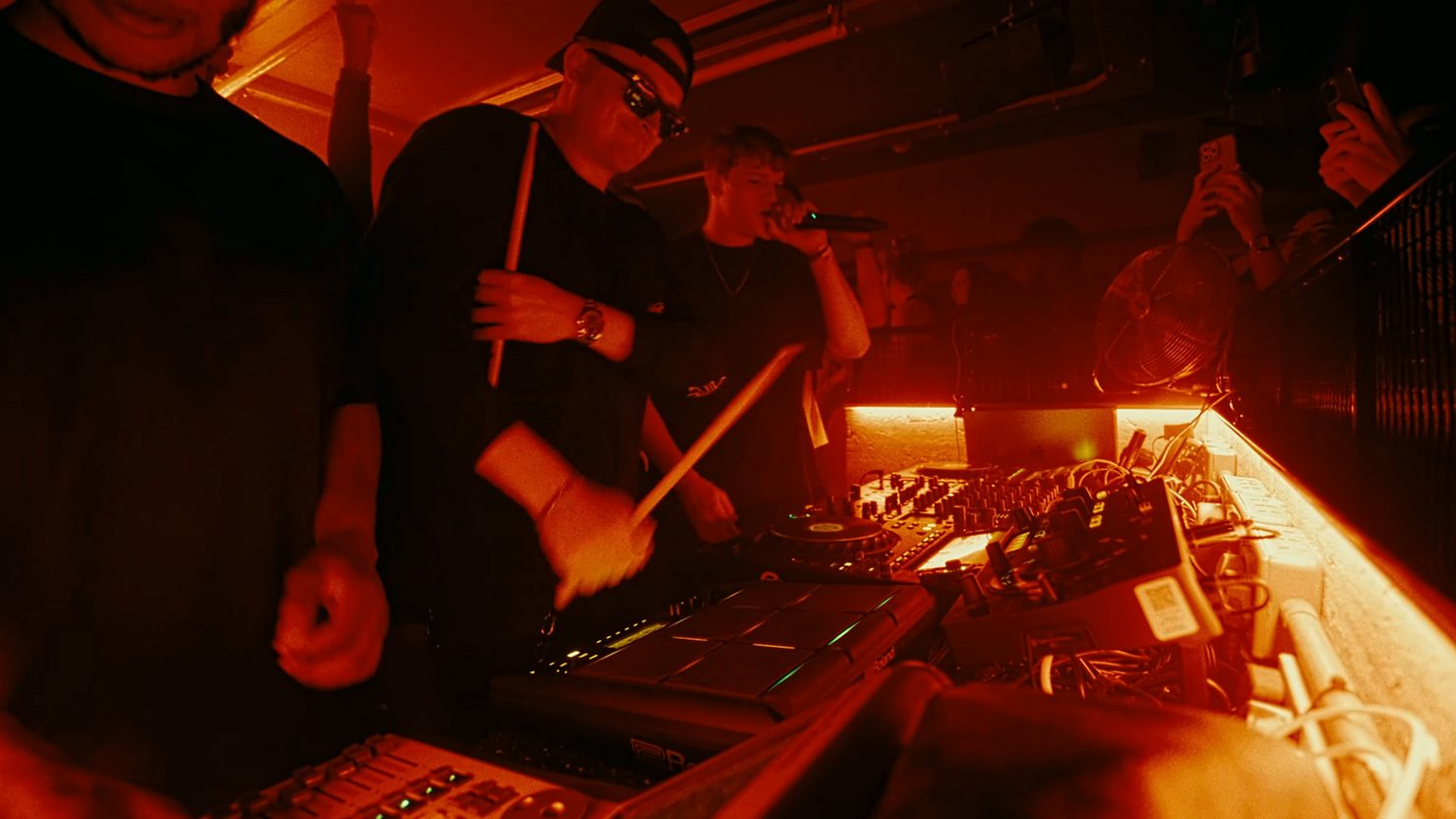
No, Afro house is not dying in 2026: Splice and MIDiA named it the sound of 2025 in January 2026 after downloads grew 778 percent, and Black Coffee's eighth Saturday season at Hï Ibiza runs until 3 October 2026.
Afro house in 2026 is entering its most interesting phase since the genre first broke internationally. Splice named it the sound of 2025 with 778 percent year-on-year download growth. On Beatport it climbed from 24th to fourth in most-searched styles, according to the IMS Business Report 2025. Black Coffee has played Hï Ibiza every Saturday since 2 May, his eighth year there. HUGEL held a weekly Thursday residency at Hï from June to September. Keinemusik took the sound to Mexico City this year and play Nairobi on 21 November. What is ending is the first wave of novelty excitement. What is beginning is the deep work. New sub-genres are emerging. New voices are breaking through via Instagram. Producers are finding richer textures. The audience is learning to hear past the obvious tracks.
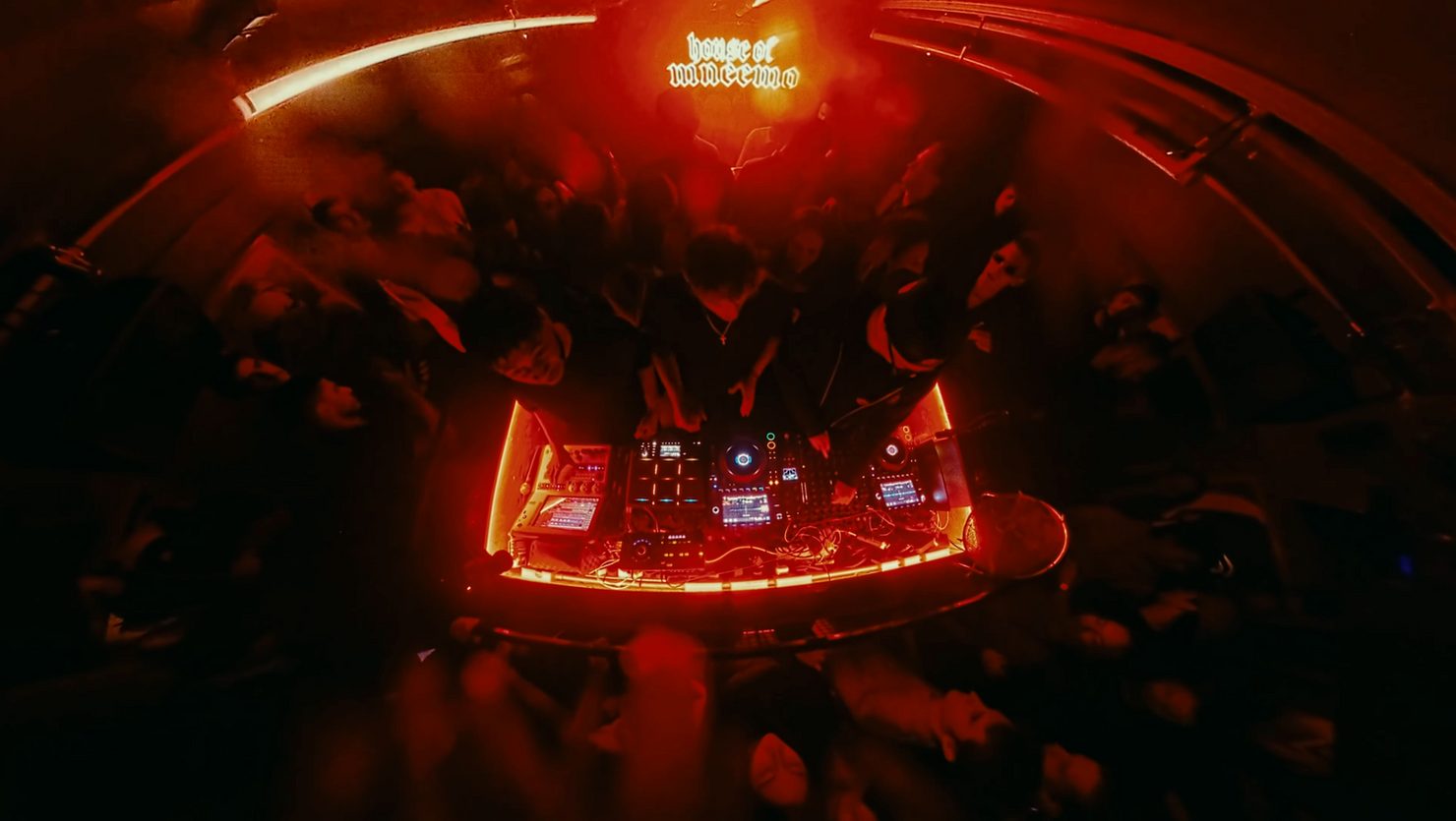
Anyone working in this lane in 2026 is not late. They are on time.
Key facts
- Splice and MIDiA named Afro house Splice's sound of the year in their Sounds of 2026 report, published January 2026
- Afro house sample downloads on Splice rose 778 percent year on year, to 6.7 million, with 1.3 million searches (data for January to September 2025)
- Afro house accounted for nearly 70 percent of all house growth on Splice in 2025
- On Beatport, Afro house went from 24th to fourth in most-searched styles, per the IMS Business Report 2025
- Adam Port's "Move" peaked at number two on the UK Independent Singles Chart and number 10 on the Official Singles Chart
- Black Coffee's 2026 Hï Ibiza residency runs every Saturday from 2 May to 3 October, his eighth year at the club
- The global electronic music industry reached a record 12.9 billion dollars in 2024, up six percent year on year (IMS Business Report 2025)
Why a London producer is writing on Afro house
MNEEMO is a London DJ and producer who runs HOUSE OF MNEEMO and its DJ school. Before the catalogue on mneemo.com moved toward UK garage and speed garage through 2025, MNEEMO spent two years producing almost exclusively in Afro house. The shift in public output toward UK garage is a recent chapter. The Afro house practice is foundational. This piece reads Afro house from the production side.
A producer's view matters here because most English-language Afro house coverage in 2026 falls into two buckets. Tourist introductions for newcomers, or the same Black Coffee and Keinemusik profiles every major outlet already wrote. This piece does neither. It reads the genre from inside the production room, and it answers the question working producers and DJs are actually asking right now: is this lane still worth the time. The short answer is already above. The long answer is worth the read, because the genre's next phase is where the real work gets done. The structural logic connects to adjacent pieces published here on the minimal deep tech and 90s house lane and on how UK garage mutated rather than returned.
Is Afro House Dying in 2026? Why the fear exists
People ask "is Afro house dying" for a reason that makes sense on the surface. The genre spent two years at peak hype, dominating DJ sets, festival lineups, sample charts and luxury residency programming. When something spends that long at the centre of attention, fatigue sets in for the people closest to it. Producers see similar percussion loops everywhere. DJs hear the same few crossover tracks across different circuits. Playlists flatten into one recognisable sound. It feels overexposed.
Overexposure is not the same as decline. When Afro house was being described as at its peak in 2025, that was not a death announcement. That was documentation of maximum visibility. What usually follows maximum visibility in a genre is one of two things. Collapse, or deepening. Afro house in 2026 is clearly deepening. The data is unambiguous. The institutional programming is unambiguous. The producer-tool demand is unambiguous. What is changing is not the genre's survival. What is changing is what the interesting work inside it sounds like.
Why the genre is actually thriving
Three separate systems are moving in Afro house's favour at the same time, and each of them is a forward indicator rather than a trailing one.
Producer demand is the first. Splice data shows Afro house moved from niche lane to top-tier sample category inside a year: 6.7 million downloads in the first nine months of 2025, up 778 percent. That is not a genre being consumed passively by listeners. That is a genre being built by working producers, in volume, in home studios across four continents. When producers are paying for sample tools in a category, they are planning to make records in that category. Sample demand is the earliest commercial signal a genre can send.
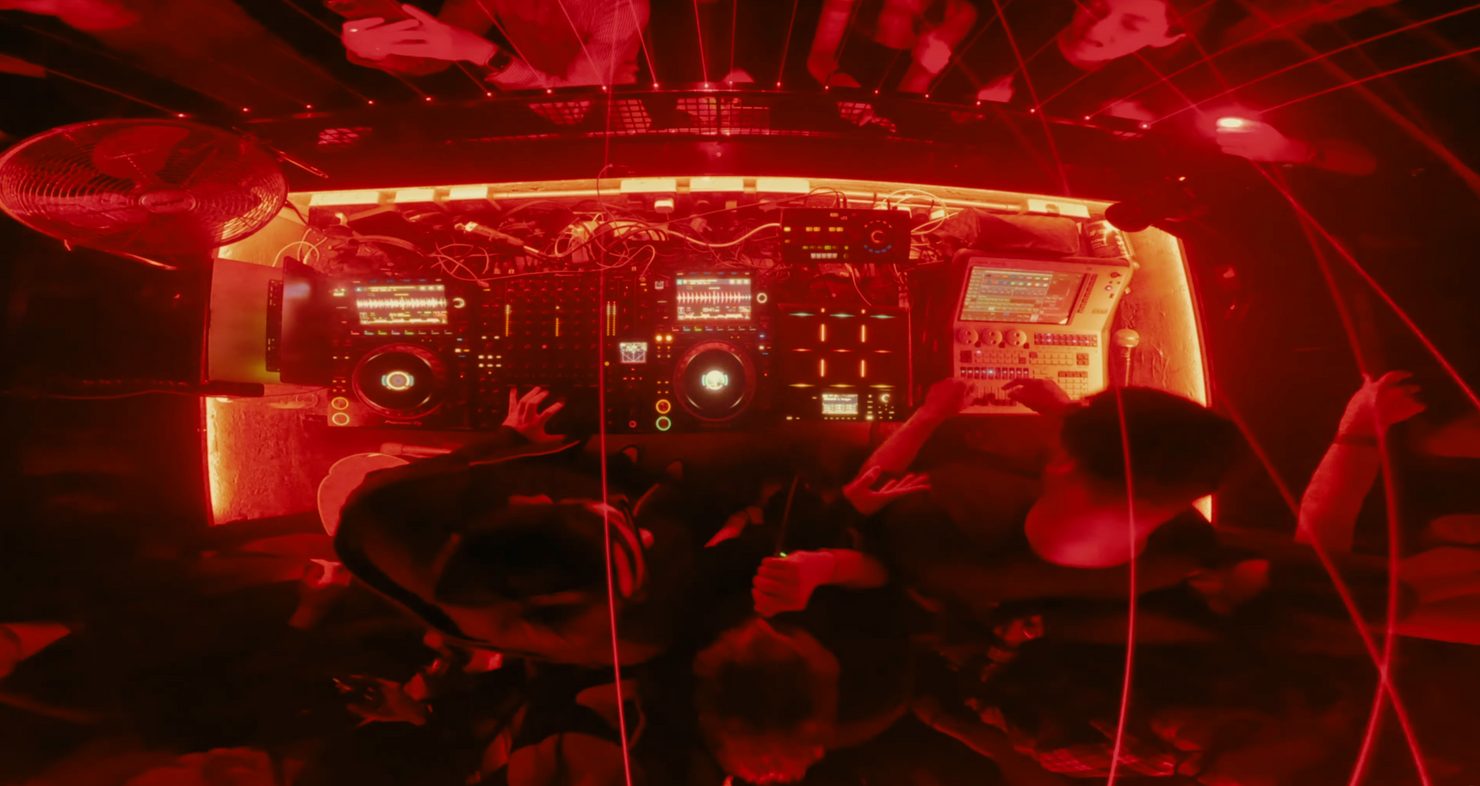
Platform search behaviour is the second. The IMS Business Report 2025 documented Afro house moving from 24th to fourth in Beatport's most-searched styles. That is a multi-year trajectory, not a summer trend. Splice and MIDiA counted 1.3 million searches for Afro house on Splice in 2025. Search behaviour is a forward indicator. People search for what they plan to buy, play and produce.
Elite event programming is the third, and it matters most. Black Coffee's Hï Ibiza Saturday residency for 2026 runs from 2 May to 3 October, his eighth year at the club, which Hï describes as one of the island's defining residencies. Keinemusik played Mexico City this year, and the collective's 21 November 2026 date is at Kloud in, Nairobi.
No genre in recent memory has locked down that much flagship programming, that fast, across that many continents. Promoters do not build season-long flagship residencies around a sound they think is fading.
The edit economy keeps the lane moving
One of the structural reasons Afro house keeps expanding faster than the official release economy can handle is what working DJs call the edit economy. Producers take recognisable pop, hip-hop, R&B or dance records and rebuild them into Afro house structures, typically between 118 and 126 BPM, with rolling hand percussion, congas, toms and extended seven-to-nine-minute arrangements designed for hypnotic transition mixing. These edits travel through DJ promo pools, SoundCloud, private Dropbox links, Telegram and WhatsApp chains, and direct-to-DJ circulation, often well before, and sometimes entirely outside of, official DSP release.
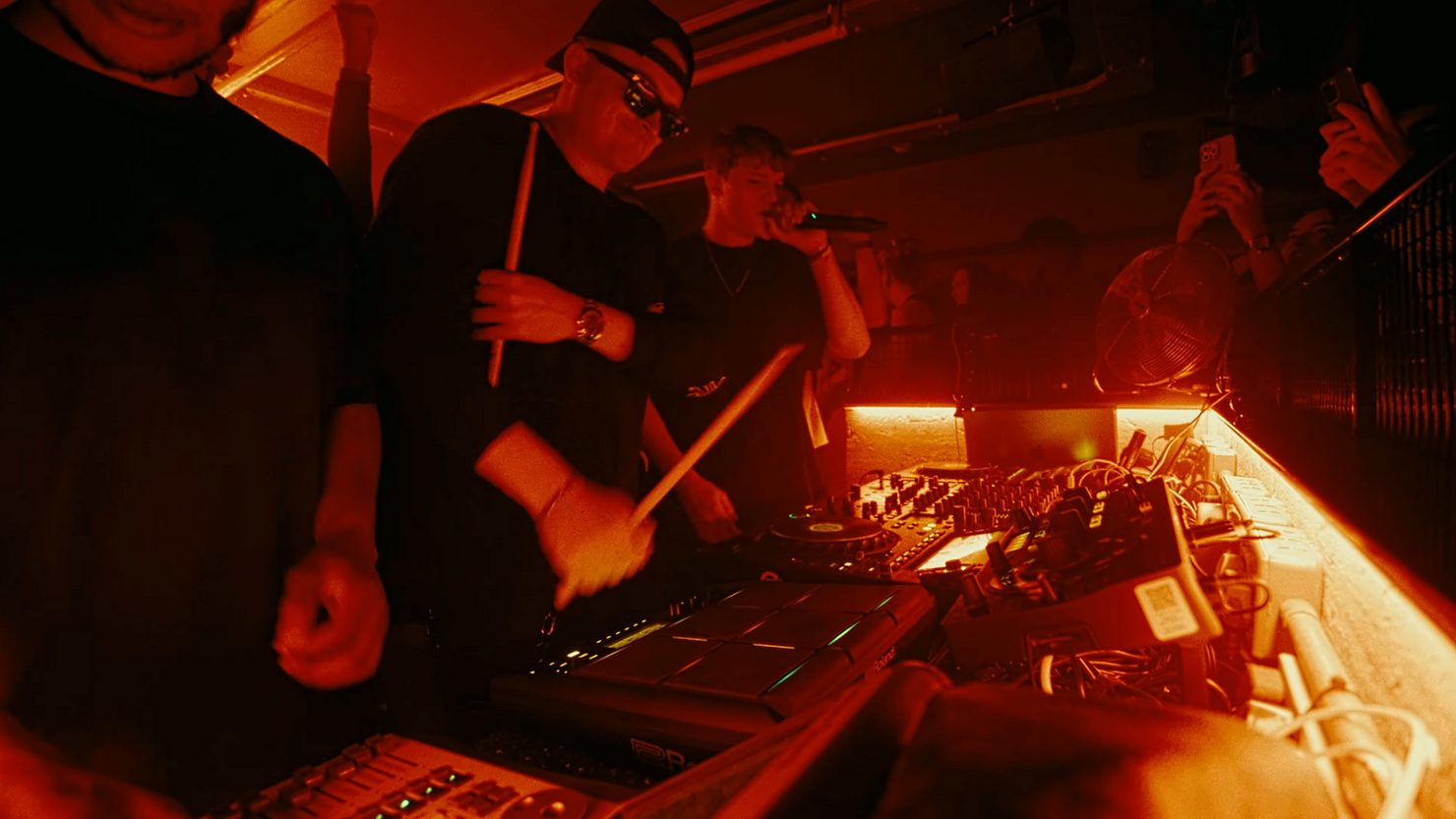
The mechanism works because the genre rewards recognisable topline plus club-functional reconstruction. A working producer takes a known song, plus Afro house percussion architecture, plus long-form arrangement logic, and the result is a DJ tool that moves. When a track carries the tag "Played by Keinemusik" or "Supported by Black Coffee" inside DJ pool metadata, that tag becomes social proof. It signals to other DJs that the edit tested in the right rooms.
The edit economy is one of the healthiest signs a genre is actually alive at the producer level. When edits keep circulating, the genre is still useful to working DJs. When working DJs are still picking up edits to build their sets, the lane is not closed.
The key figures of 2026
Black Coffee remains the genre's highest-status global ambassador. He became the first African artist to win the Grammy for Best Dance/Electronic Album, with Subconsciously, and sold out Madison Square Garden in October 2023. His Hï Ibiza residency, which began in the club's first year, 2017, anchors the Saturday night prestige position for an eighth year. Spotify showed roughly 3.1 million monthly listeners in April 2026, when this piece was first written; the listener figures below are from the same month.
Keinemusik sits at roughly 12 million Spotify monthly listeners as a collective, with Adam Port alone at around 11.8 million, and &ME and Rampa each at around 5 million. Their 2026 dates, from Mexico City to Nairobi, confirm the sound's reach into global-event programming. Adam Port's "Move" with Stryv and Malachiii is the clearest crossover case the genre has produced: number two on the UK Independent Singles Chart and number 10 on the Official Singles Chart.
HUGEL held his Make The Girls Dance residency at Hï Ibiza every Thursday from 4 June to 24 September 2026, mixing Latin house with Afro house, with roughly 26.5 million Spotify monthly listeners. MoBlack carries roughly 6.3 million monthly listeners and runs the MoBlack Records label.
The South African producer layer is where the genre's deepest creative work is happening. Shimza at around 6 million monthly listeners continues to build his Kunye brand. Caiiro at 844,000 monthly listeners made "Your Voice" with AWEN, and Adam Port's 2022 remix of it became one of the genre's cleanest melodic crossovers. Enoo Napa at 140,000 remains a reference point for serious Afro house conversations. Da Capo keeps releasing. Thandi Draai at 41,000 monthly listeners carries lower streaming scale but high scene credibility inside the South African ecosystem. Lizwi at 417,000 is one of the defining vocal identities keeping Afro house grounded in song rather than pure instrumental texture. THEMBA keeps releasing too.
The new generation is already breaking through
One of the clearest proofs a genre is alive is when new talent can break through without traditional industry gatekeeping. In Afro house and the adjacent amapiano scene, that pipeline is visible in real time.
Uncle Waffles is the model case. In October 2021 she filled in for another DJ at Zone 6 in Soweto, a clip of her dancing behind the decks to Young Stunna's "Adiwele" went viral, and Drake's co-sign took her into the global circuit. In 2026 the pipeline is still active. Producers with talent and without industry backing are still breaking through via short-form video, and veterans at the top of the genre are still watching who is coming up from underneath.
That is not what dying genres do. Dying genres close their gates, concentrate attention at the top, and stop renewing their talent layer. Afro house and its adjacent scenes are doing the opposite. New names are arriving monthly. South African producers are moving faster than the institutional press can document them. The genre's floor is as vital as its ceiling.
The authorship question
Afro house roots are in South African Black musical traditions. Its global dominance now includes major European acts like Keinemusik, HUGEL and MoBlack. The conversation about how the genre's international growth stays connected to the cultures that created it is real, and in 2026 it is institutional rather than fringe.
IMS Ibiza 2025 gave it a programmed session on its opening day, moderated by Dare Balogun, where Shimza and the South African vocalist Jackie Queens celebrated the genre's global rise while defending its roots. "Afro house means I get to express myself in my most authentic way to the world," Shimza said. Jackie Queens described the Afro house that moves her as "spirituality, joy, dancing, and music rooted in Black lived experience".
There is no single position. Beatportal's guide to 3Step made the point from the other side: at a time when Afro house has begun to cater to European audiences, the South African producers behind 3Step are using it to honour where the sound came from. The conversation is ongoing, it is mature, and it is one of the signs that the genre has reached a scale where its structural questions are worth asking publicly. Dying genres do not get institutional panels at IMS Ibiza. Only genres that matter do.
Three lanes, all gaining ground
The genre is not consolidating into one sound. It is running in three parallel directions at once, and each direction is healthy.
The first is the South African deep layer. Enoo Napa, Caiiro, Thandi Draai, Shimza, Da Capo, Atmos Blaq. Lower streaming ceilings than the export acts, deeper catalogue credibility, closer to the origin scene. This lane is where the serious production conversations happen, and it is structurally secure. The talent renewing it is generational.
The second is the global crossover lane. Keinemusik, HUGEL, MoBlack, Adam Port solo, "Move" and its successor tracks. High streaming ceilings, flagship residencies, algorithmic reach. This lane is where Afro house enters the luxury lifestyle segment of dance music. It is productive, it is profitable, and it is actively refreshing its releases rather than repeating the 2024 playbook.
The third is the hybrid evolution lane, and it is where some of the most exciting work is currently happening. 3Step is the clearest case. Most closely associated with the South African producer Thakzin, 3Step uses three kicks inside a 4/4 bar, leaving out the fourth for elastic bounce. It fuses Amapiano's log drums and deep basslines, Afro house atmospheric chords, Afro tech energy and South African deep house texture. Its breakthrough came in December 2022 with Thakzin's "The Magnificent Dance" on Sondela Recordings, supported by Keinemusik, Louie Vega and Pete Tong. Dlala Thukzin's "iPlan" with Zaba and Sykes and his album Permanent Music 3 were nominated for Best Collaboration and Best Dance Album at the 30th South African Music Awards.
Three lanes. All active. All releasing. All gaining ground inside their own corners of the ecosystem. That is not a genre in decline. That is a genre at its most productive point.
What this actually means for producers in 2026
If the question is whether it is still worth investing time in Afro house production in 2026, the answer from the data is yes. Sample demand is still climbing. Producer tools are still expanding. Platform search is still rising. Elite residencies are still programming the sound. The audience is still growing, not shrinking. And the talent pipeline is still renewing through Instagram, promo pools and regional scenes rather than locking down at the top.
The fatigue some producers feel right now is real, but it is specific. It is fatigue with one particular version of the sound, the most commercial and replicated form, not fatigue with the genre itself. The next 18 months of Afro house belong to producers who can move past the obvious template and work inside the deeper layers of the lane. 3Step, Afro tech, deeper South African house, vocal-forward Afro house, and the emerging hybrid territory between Afro and Latin rhythms are all live zones. The sound that defined 2024 and early 2025 is no longer the only way in. That is a feature, not a bug.
Afro house is not dying in 2026. It is getting more interesting. The producers, DJs and labels who keep working with the sound through this phase will build the next chapter of the genre, and there is a lot of next chapter still to write.
FAQ
Is Afro house dying in 2026?
No. The data points in the opposite direction. Splice named Afro house the sound of 2025 with 778 percent year-on-year download growth. Beatport has it as the fourth most-searched style. Black Coffee and HUGEL held 2026 residencies at Hï Ibiza, and Keinemusik are touring from Mexico City to Nairobi. The genre is entering its deep phase, not its decline phase.
What is the difference between Afro house and amapiano?
Afro house usually runs 118 to 126 BPM with rolling hand percussion, polyrhythmic architecture and four-on-the-floor kicks, built for extended transition mixing at 7 to 9 minutes. Amapiano runs slower, with the log drum as a defining low-end identity, a different pocket, and a groove focus that often omits or softens the straight 4/4 kick. The genres share South African DNA but occupy different international use cases, and both are active in 2026.
Who are the biggest Afro house producers in 2026?
By Spotify monthly listeners in April 2026: Keinemusik (roughly 12 million Spotify monthly listeners), Adam Port solo (11.8 million), HUGEL (26.5 million across a broader catalogue), MoBlack (6.3 million), Shimza (6 million), &ME and Rampa (5 million each), Black Coffee (3.1 million), Caiiro (844,000), Lizwi (417,000), Enoo Napa (140,000), Thandi Draai (41,000). The South African producer layer carries credibility that raw streaming numbers do not always reflect.
What is 3Step?
3Step is a South African sub-genre most closely associated with producer Thakzin, whose "The Magnificent Dance" broke it internationally in December 2022. It is defined by three kicks inside a 4/4 bar, with the fourth kick left out to create elastic bounce. It blends Amapiano's bass and log-drum language with Afro house atmospheric chords, Afro tech energy and South African deep house texture. Thakzin, Atmos Blaq and Dlala Thukzin are the figures to watch.
Is it too late to start producing Afro house in 2026?
No. The producer-tool demand is still climbing, sample packs are still selling, Beatport charts are still refreshing weekly, and new names are still breaking through via Instagram and promo pools. The genre's commercial peak has created saturation only at the most obvious templated level. The deeper layers, the hybrid territory and the emerging sub-genres like 3Step are all open work zones. Producers starting in 2026 are not late. They are arriving at the moment the genre gets interesting again.
Sources
- MIDiA Research and Splice: Sounds of 2026, House on the Rise, January 2026 (Afro house sound of the year, 778 percent growth, 6.7 million downloads, 1.3 million searches, nearly 70 percent of house growth).
- Beatportal: IMS Business Report 2025 coverage (12.9 billion dollars, up 6 percent; Afro house 24th to fourth in Beatport searches) and IMS Ibiza 2025 opening-day report (Shimza and Jackie Queens quotes).
- Beatportal: "Where Did That Kick Go? An Introduction to 3Step" (Thakzin, "The Magnificent Dance", Dlala Thukzin).
- Hï Ibiza: Black Coffee Saturdays and HUGEL Thursdays 2026 event pages.
- keinemusik.com: tour dates.
- Official Charts Company via Wikipedia's chart table: "Move" UK peaks.
- Sunday World: SAMA30 nominations list.
For more long-form reads on how dance scenes are mutating in 2026, see MNEEMO's Radar Records Era piece on production practice and label infrastructure, and the UK garage analysis on how a London genre mutated rather than returned, and a breakdown of AI in dance music.
This editorial is part of House of MNEEMO's ongoing coverage of the electronic and club music scene, written by London-based DJ and producer MNEEMO, millions of streams to his name and a party series running through some of London's best clubs. Listen to MNEEMO: Spotify · Instagram · YouTube