London's Small Club Rooms vs Festivals in 2026
MNEEMO on London clubs in 2026: a producer's view on intimate venues, the Boiler Room effect, and why small rooms are more important than big festivals.
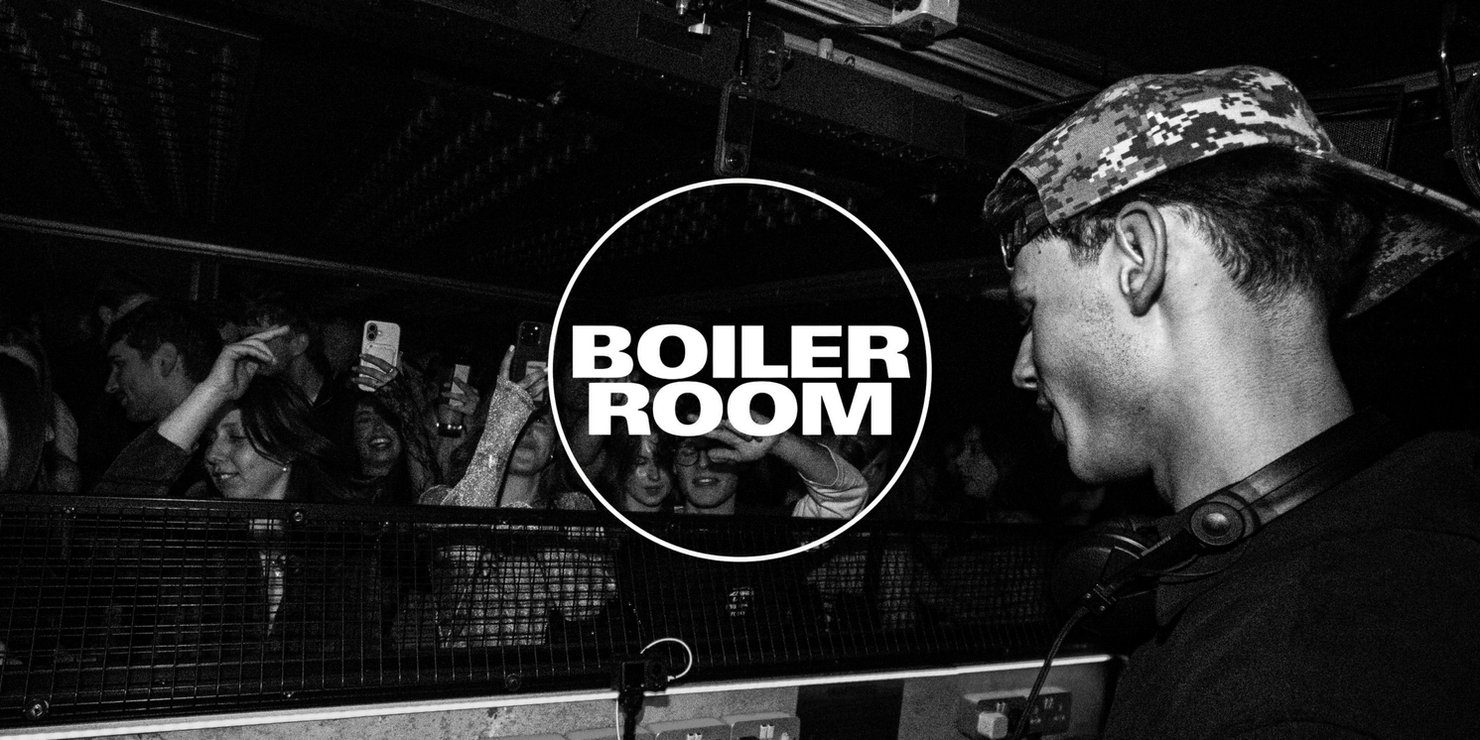
A London producer's view on intimate club culture, the Boiler Room effect, and why the future of electronic music is being decided in rooms where the DJ is surrounded, not elevated.
For years, electronic music culture was obsessed with scale. Bigger stages, wider LED screens, longer lineups, higher ticket prices. Festivals became cities. DJs became silhouettes on platforms. The crowd became a statistic.
Then something quietly shifted.
For MNEEMO, who has spent the last year playing London clubs across Gallery Club, Paloma Chelsea, Cuckoo Club, and Colours Hoxton, that shift is not abstract. It is the reason his sets work the way they do, and the reason the rooms he plays feel different from the rooms he played two years ago.
A big part of that shift started in small rooms, helped, accelerated, and normalised by Boiler Room.
The Boiler Room Effect: When Intimacy Became the Format
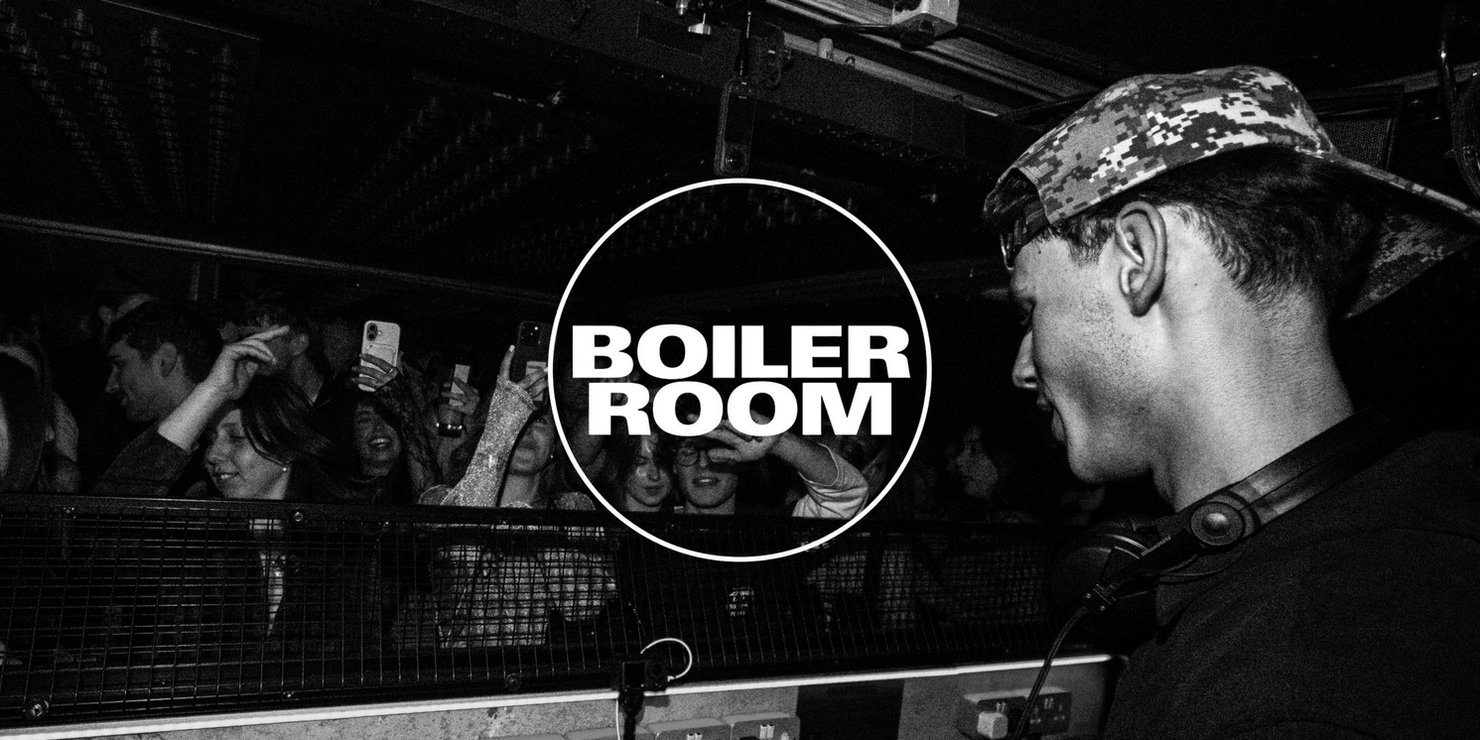
Boiler Room did not invent intimate club culture, but it broadcast it, legitimised it, and turned it into a global reference point.
The early Boiler Room concept was simple and radical at the same time: no stage, no distance, no hierarchy. DJs surrounded by people, not elevated above them. Sweat, mistakes, rewinds, awkward moments, all visible.
What started as a broadcast format became a design language.
Clubs noticed. Promoters noticed. Audiences noticed. Now, more and more venues are placing DJ booths in the centre of the room, lowering booth height, building 360-degree dancefloors where people surround the DJ, and prioritising sightlines and proximity over spectacle.
This is not aesthetic. It is functional. It changes how DJs play and how crowds behave, and MNEEMO has felt that change firsthand across every London room he has worked in over the last year.
Why MNEEMO London Clubs Work Differently in 360 Setups
When the DJ is surrounded, something fundamental happens.
You cannot hide behind theatrics. You cannot disappear into smoke and visuals. Track selection matters more than drops. Transitions matter more than branding.
In small rooms with 360 setups, DJs read the room instantly. Crowds feel involved, not entertained. Energy circulates instead of projecting forward.
This creates feedback loops. A groove lands, the DJ feels it immediately, adjusts, pushes further. That kind of dialogue is impossible on a festival mainstage where the booth is 20 metres away and half the crowd is filming.
It is also exactly the kind of environment where MNEEMO's HOUSE OF MNEEMO nights have grown over the last year. The whole point of the format, going back to the first house parties in his own flat, was that there was no stage. There was no distance. There were only people in the same room, and the music was the centre of the conversation.
Small Rooms Reward Risk, Festivals Punish It
Big festivals are unforgiving environments. You are playing to mixed crowds, time slots are tight, expectations are fixed. That encourages safety.
Small rooms do the opposite. They reward unreleased tracks, genre-blending, longer tension builds, and unexpected left turns.
That is why new sounds are born there. Not because small rooms are romantic, but because they allow failure. And failure is where evolution happens.
Most of what later feels "fresh" on festival stages was already tested, rejected, refined, and reworked in intimate club settings months earlier. MNEEMO's own track Down 405, released on Warsaw-based label Radar Records in October 2025, was first tested in exactly this kind of environment, played out in small London rooms before it ever made it to a streaming platform.
Community Beats Scale
Another thing small rooms do better than festivals: they create repeat audiences.
You see the same people. You recognise faces. Conversations continue from one weekend to the next. DJs stop feeling like remote figures and start feeling like part of the same ecosystem.
That sense of community is impossible to manufacture at scale. Festivals offer moments. Small rooms offer continuity. And continuity is what builds scenes.
MNEEMO London Clubs as a Case Study
London's nightlife has leaned heavily into this shift.
Smaller venues, basements, hybrid club-art spaces, and rooms with intentional layouts are thriving precisely because they reject the "big moment" logic. They focus on sound system quality, room flow, DJ placement, and crowd behaviour.
It is no coincidence that some of the most influential UK sounds right now (UK garage, speed garage, hybrid bass) thrive in these environments. They need proximity. They need pressure. They need people close enough to react instinctively, not performatively.
The MNEEMO London clubs circuit reflects exactly that logic. Gallery Club on Kensington High Street, Paloma Chelsea where MNEEMO organised the first Radar Records event in London in November 2025, the Cuckoo Club, Colours Hoxton, and the rooms where HOUSE OF MNEEMO nights happen across the city. None of these are stadiums. All of them are designed around the same principle: get people close to the music, and let the music do the work.
Festivals Still Matter, Just Not in the Same Way
This is not a manifesto against festivals. Big events still define seasons, careers, and cultural moments. They introduce artists to new audiences and create shared reference points.
But the hierarchy has shifted.
Festivals now amplify culture. Small rooms create it.
And platforms like Boiler Room helped make that distinction visible.
Why This Matters Now
Electronic music does not evolve in wide open fields. It evolves in enclosed spaces where sound, bodies, and attention collide.
Small rooms are where DJs sharpen instincts, audiences learn how to listen again, and scenes develop identity.
The future of electronic music is not being decided on the biggest stages. It is being decided in rooms where the DJ is surrounded, the sweat is real, and the distance between music and movement is zero.
For MNEEMO, that has not been a theory for the past year. It has been the working environment.
And once you have experienced it from inside the booth in a London room with 200 people pressed in around you, it is very hard to go back to watching from afar.
This editorial is part of House of MNEEMO's ongoing coverage of the electronic and club music scene, written by London-based DJ and producer MNEEMO, millions of streams to his name and a party series running through some of London's best clubs. Listen to MNEEMO: Spotify · Instagram · YouTube
FAQ
Why are small club rooms better than festivals for DJs?
Small club rooms reward risk while big festivals punish it. Festivals mean mixed crowds, tight time slots and fixed expectations, which encourages safety. Small rooms reward unreleased tracks, genre-blending, longer tension builds and unexpected left turns, because they allow failure, and failure is where evolution happens. Most of what later feels fresh on festival stages was already tested, rejected and refined in intimate club settings months earlier.
Which London clubs has MNEEMO played?
Over the last year MNEEMO has played London clubs including Gallery Club in Mayfair, Paloma Chelsea, the Cuckoo Club and Colours Hoxton in Shoreditch, alongside the rooms where his HOUSE OF MNEEMO nights happen across the city. At Paloma Chelsea he organised the first Radar Records event in London in November 2025. None of these venues are stadiums; all are designed to get people close to the music.
How did Boiler Room change club design?
Boiler Room did not invent intimate club culture, but it broadcast it, legitimised it and turned it into a global reference point. Its early concept was simple and radical: no stage, no distance, no hierarchy, DJs surrounded by people rather than elevated above them. That broadcast format became a design language, and venues now place booths in the centre of the room, lower booth height and build 360-degree dancefloors.
How does a 360 DJ setup change the way a DJ plays?
When the DJ is surrounded, you cannot hide behind theatrics or disappear into smoke and visuals. Track selection matters more than drops, and transitions matter more than branding. DJs read the room instantly, crowds feel involved rather than entertained, and energy circulates instead of projecting forward. It creates feedback loops: a groove lands, the DJ feels it immediately, adjusts and pushes further, a dialogue that is impossible on a festival mainstage.
Where was MNEEMO's Down 405 first tested?
Down 405, released on Warsaw-based label Radar Records in October 2025, was first tested in small London rooms, played out in intimate club settings before it ever made it to a streaming platform. That is typical of how the small-room circuit works: environments that allow failure are where tracks get tested, rejected, refined and reworked before they reach bigger stages and wider audiences.
Do big festivals still matter for electronic music?
Yes, but the hierarchy has shifted. Big events still define seasons, careers and cultural moments, introduce artists to new audiences and create shared reference points. Festivals now amplify culture while small rooms create it. The future of electronic music is being decided in rooms where the DJ is surrounded, the sweat is real and the distance between music and movement is zero.
Why do UK garage and speed garage work best in small rooms?
Some of the most influential UK sounds right now, UK garage, speed garage and hybrid bass, thrive in small venues because they need proximity and pressure, with people close enough to react instinctively rather than performatively. London's smaller venues, basements and hybrid club-art spaces are thriving precisely because they reject big-moment logic and focus on sound system quality, room flow, DJ placement and crowd behaviour.